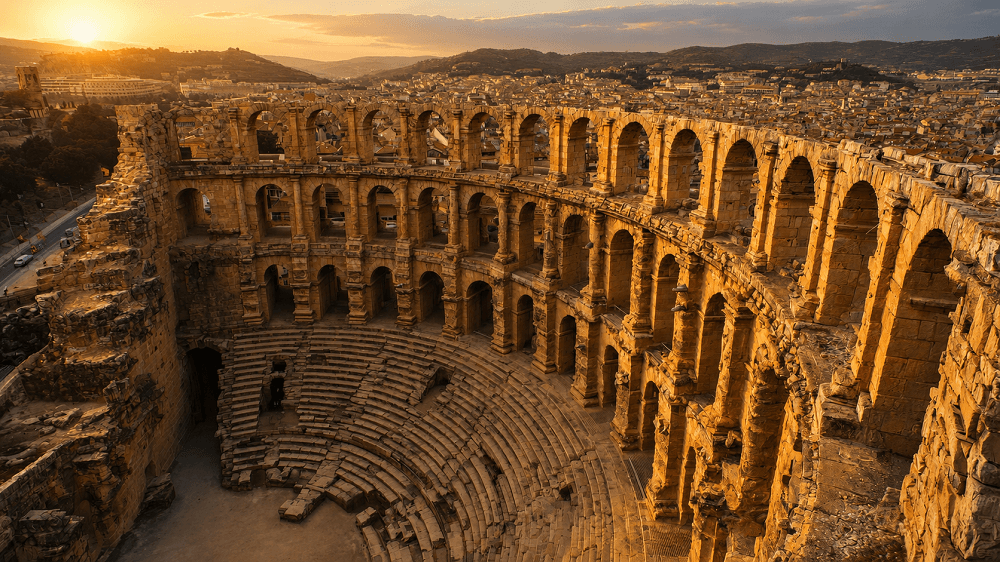
The Bay of Algiers at dusk
Call for Papers · Registration Open

Threads of Change

Weaving Silk Road Cooperation for a Resilient World. A Multidisciplinary Conference on Climate, Society, and the Cognitive Built Environment.

Registration and abstract submission use the same form. You choose whether to present.

Date
November 15-18, 2026
Locations
Tlemcen, Bejaia, Setif, Algiers
Format
In-person, four calendar days
Abstracts By
September 1, 2026
The Bay of Algiers at golden hour · via Pexels
87
Member Universities
27
Countries on the Silk Roads
3
Thematic Panels
5
Academic Forums
4
Host Cities in Algeria

Conference Overview

Organized alongside the General Assembly of the Silk-Road Universities Network. The conference will be held across four locations in Algeria: Tlemcen, Bejaia, Setif, and Algiers.

The Silk Road University Network (SUN), uniting 87 universities across 27 countries along the historic land and maritime Silk Roads, stands as a living testament to the “Spirit of the Silk Road”: a legacy of bridge-building between East and West, North and South.

In a world defined by accelerating environmental, social, and technological disruption, this network is uniquely positioned to answer a defining question of our era:

How can societies strengthen their resilience in the face of accelerating environmental, social, and technological change?

This three-day multidisciplinary academic conference invites scholars, practitioners, policymakers, and innovators from Business and Management, Technology, Sciences, Medicine, Law, Humanities, Architecture, Engineering and Urban Planning, and other fields to move beyond disciplinary silos.

Business & ManagementTechnologySciencesMedicineLawHumanitiesArchitectureEngineering & Urban Planning

We seek contributions that weave together diverse expertise to foster resilience across four interconnected pillars:

  1. Climate Change
  2. Social Sustainability
  3. Cognitive & Resilient Built Environments
  4. Academic & Scientific Forums: Area Studies, History, and Transdisciplinary Knowledge

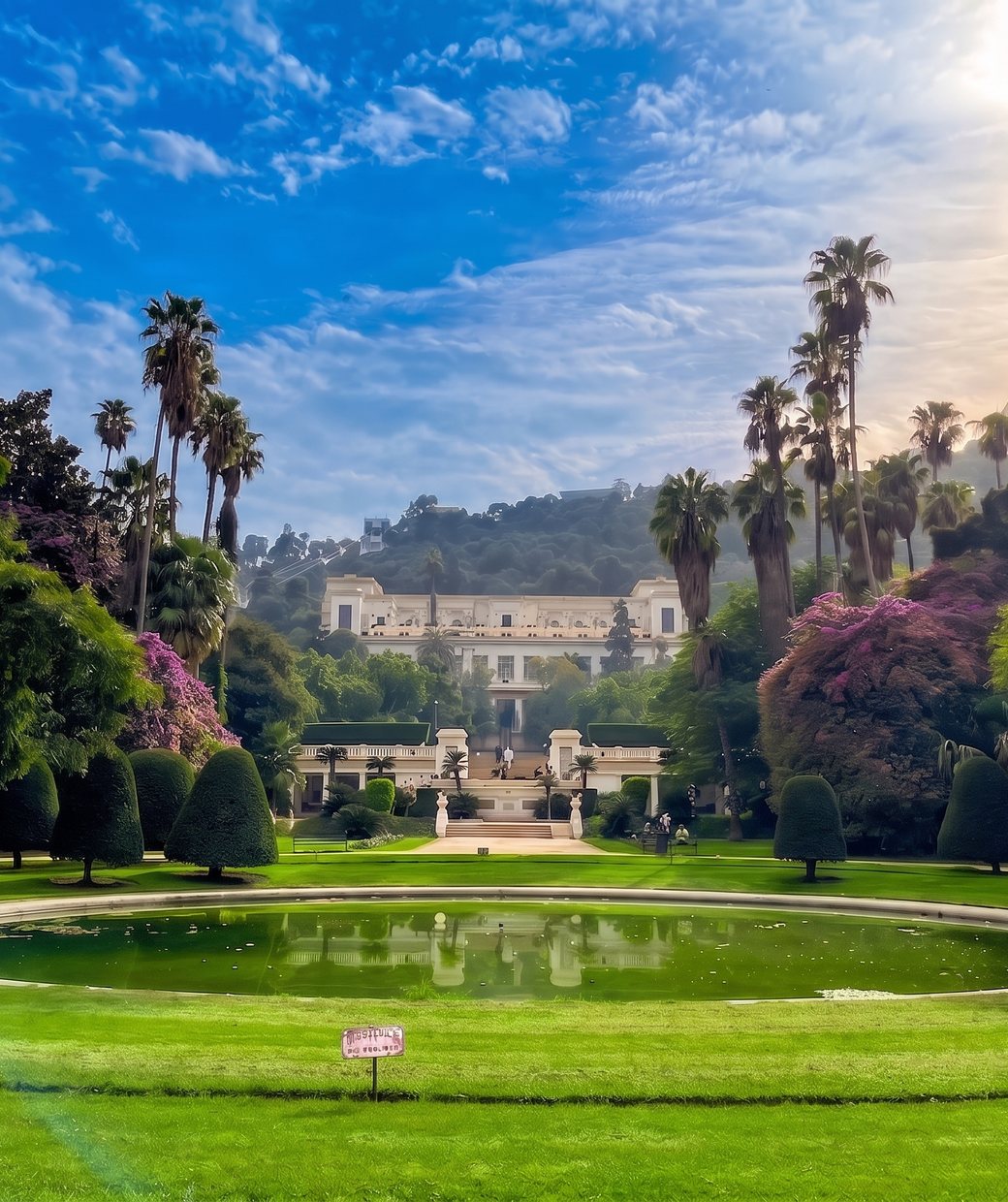
The Botanical Garden of Hamma in Algiers, with the Martyrs' Memorial beyond
The Botanical Garden of Hamma, Algiers, with the Martyrs’ Memorial rising beyond.
Traditional Algerian zellige ceramic tilework
How can societies strengthen their resilience in the face of accelerating environmental, social, and technological change?

A defining question of our era, and the question this conference is convened to answer.

Zellige tilework, in the Algerian tradition

Four Interconnected Pillars

We seek contributions that weave together diverse expertise to foster resilience across four interconnected pillars.

Pillar 1

Climate Change

Sharing adaptation strategies and renewable innovations across Arctic, desert, temperate, and tropical zones.

Pillar 2

Social Sustainability

Preserving cultural heritage and community cohesion amid migration, urbanization, and economic transformation.

Pillar 3

Cognitive & Resilient Built Environments

Leveraging digital twins, AI, and nature-based solutions to create smart, safe, and culturally responsive cities.

Pillar 4

Academic & Scientific Forums: Area Studies, History, and Transdisciplinary Knowledge
This conference comprises five specialized forums that will provide an in-depth look into the history, socio-economics, geopolitics, languages, medicine, sport and knowledge systems that define Silk Road civilizations, ensuring that the conference honors the rich cultural tapestry underlying all discussions of resilience and innovation.

Why Participate?

This is not a traditional academic gathering. As the SUN Assembly welcomes new member institutions, this conference serves as a launchpad for actionable collaborations. We highly encourage submissions that go beyond theory to present:

Downtown Algiers, its white civic architecture and daily life
Downtown Algiers, where ideas meet the street.

Local Case Studies & Best Practices

Ground-level solutions from your community.

Cross-Institutional Collaborations

Initiatives already connecting universities across the Silk Road.

Open-Access Outputs & Technology Transfer

Scalable models for global impact.

Pilot Projects

Early-stage experiments in climate resilience, social inclusion, or smart cities.

Historical & Area Studies Research

Archival discoveries, linguistic analyses, and socio-economic histories that illuminate the Silk Road’s enduring legacy.

Networking & Partnership Development

Dedicated forums and social sessions to connect with like-minded researchers, practitioners, and policymakers from 27 countries.

Dedicated Academic & Scientific Forums for Deep Engagement

This conference offers a unique opportunity to present and connect within five specialized forums, each hosted by a distinguished SUN member institution. These forums provide a focused platform for scholars in area studies, history, languages, medicine, sports science, and transdisciplinary research to share their work and build lasting partnerships.

The conference aims to generate project ideas, facilitate new research partnerships, and strengthen a shared commitment to weaving the “Threads of Change” into the fabric of SUN’s next decade.

Special Features

A keynote dialogue, balanced thematic panels, practitioner-led workshops, and dedicated time for partnership building.

Keynote Dialogue

A high-level conversation between representatives of Eastern and Western thought on the future of global cooperation.

3 thematic panels running simultaneously
5 specialized academic forums
4 host cities across Algeria

Concurrent Workshops

The conference will feature a series of high-impact, practitioner-led workshops designed to equip participants with actionable skills and real-world knowledge. These sessions will be facilitated by distinguished professional experts, including industry leaders, policymakers, urban planners, legal advisors, and technology innovators, who work at the forefront of sustainability, resilience, and digital transformation.

Networking & Partnership Forums

Dedicated time for participants to meet potential collaborators and develop joint proposals.

Thematic Panels

Each panel will pair one scholar from Asia, one from the Middle East/Africa, and one from Europe to ensure balanced, diverse perspectives.

Conference Themes & Disciplinary Tracks

We welcome abstracts from all majors and faculties. The conference is organized around three simultaneous thematic panels complemented by five specialized academic forums. Presenters are encouraged to address the cross-cutting questions that link their field to the broader Silk Road context.

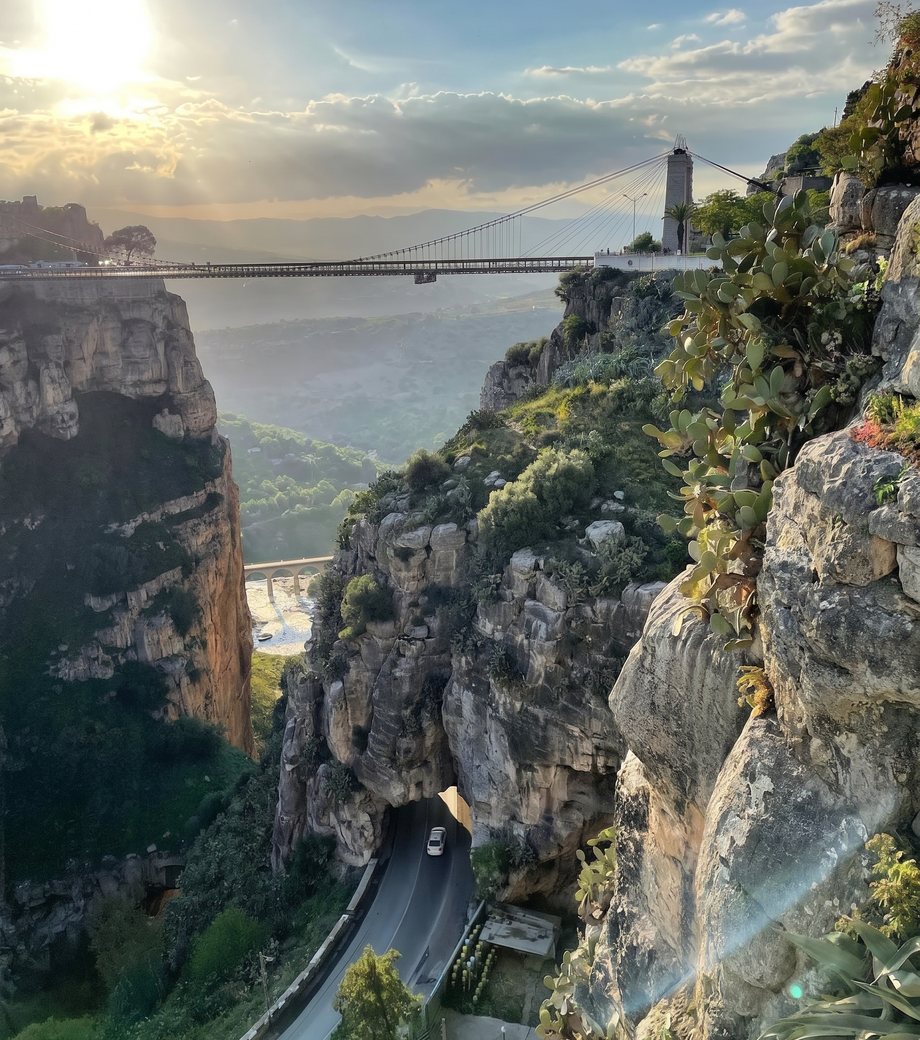
The gorge and hanging bridges of Constantine, Algeria
Pictured: Constantine, the city of bridges
Select a panel to see its themes and disciplines

Panel 1: Climate Change - Shared Challenges, Diverse Solutions

Themes: Water scarcity, extreme heat, sea-level rise, renewable energy corridors, cross-border early warning systems, climate-induced migration.

Cross-cutting question

How do climate impacts on the Silk Road affect global political and economic stability?

For Business & Management

Green finance models, carbon market integration along trade routes.

For Sciences & Engineering

Decarbonization technologies, climate modeling for diverse geographies.

For Law & Policy

Transboundary environmental governance, climate justice frameworks.

For Medicine

Health impacts of extreme heat and air pollution, epidemic surveillance in changing climates.

Panel 2: Social Sustainability - Preserving Heritage While Building the Future

Themes: Cultural heritage conservation, intergenerational justice, inclusive urbanization, migration and identity, equitable access to education and healthcare.

Cross-cutting question

Can the Silk Road spirit of exchange survive the pressures of globalization, nationalism and climate migration?

For Business & Management

Social entrepreneurship, sustainable tourism, inclusive supply chains.

For Humanities & Law

Cultural property rights, historical narrative preservation, refugee law.

For Medicine

Mental health in displaced populations, aging societies and social care.

For Technology

Digital archiving of cultural heritage, AI for social inclusion.

Panel 3: Cognitive & Resilient Built Environments - Smart Cities Along the Silk Road

Themes: Digital twins, AI for disaster response, heat-resilient urban design, flood-prone area management, nature-based solutions, data sovereignty.

Cross-cutting question

How can digital infrastructure respect cultural diversity and data sovereignty?

For Technology & Engineering

IoT sensors, predictive analytics for infrastructure, green building materials.

For Business & Management

Smart city ROI, public-private partnerships for urban tech.

For Law & Ethics

Data privacy, cybersecurity, cross-border data governance.

For Sciences & Medicine

Urban ecology, biodiversity in cities, climate-resilient agriculture. Healthy city design, reducing urban heat island effects on vulnerable populations.

Academic & Scientific Forums: Area Studies, History, and Transdisciplinary Knowledge
This dedicated track comprises five specialized forums, each hosted by a leading SUN member institution, focusing on the deep historical, cultural, linguistic, medical, and collaborative dimensions of the Silk Road.

Forum 4.1

The Silk Road Cultural Heritage Forum

Hosted by: University of Naples “L’Orientale”, Italy

Themes: Archaeological discoveries along ancient routes, preservation of tangible and intangible cultural heritage, digital humanities for historical reconstruction, museology and cultural diplomacy, Silk Road art, music, and literature traditions.

Call for Submissions: Papers exploring heritage conservation challenges, cross-cultural artistic exchanges, and the role of cultural memory in fostering contemporary resilience.

Cross-cutting question: How can shared heritage narratives build trust and cooperation among Silk Road nations today?
Forum 4.2

The Silk Road Medical Forum

Hosted by: University of Pompeu Fabra, Spain

Themes: History of medical knowledge exchange along the Silk Road (Greek, Persian, Indian, Chinese traditions), traditional medicine and pharmacopoeia, cross-border health challenges, epidemic history and pandemic preparedness, One Health approaches connecting human, animal, and environmental health.

Call for Submissions: Papers on historical medical texts, comparative health systems, traditional healing practices, and contemporary public health collaborations across the Silk Road region.

Cross-cutting question: What can historical medical exchanges teach us about building resilient health systems in a globalized world?
Forum 4.3

The Silk Road International and Transdisciplinary Research Collaboration Forum

Hosted by: Canadian University Dubai, UAE

Themes: Best practices in cross-border research partnerships, funding mechanisms for international collaborative projects, capacity building and knowledge transfer, ethics of transdisciplinary research, science diplomacy, and the role of universities in sustainable development along the Silk Road.

Call for Submissions: Case studies of successful collaborative projects, analyses of barriers to transdisciplinary work, and proposals for new research networks addressing shared challenges.

Cross-cutting question: How can universities move beyond institutional boundaries to co-create solutions that are locally relevant and globally scalable?
Forum 4.4

The Silk Road Sports Forum

Hosted by: University of Donja Gorica, Montenegro

Themes: Traditional sports and games along the Silk Road, sport as a tool for social cohesion and youth engagement, mega-events and soft power, sports diplomacy between East and West, physical education and public health, inclusive and adaptive sports for diverse communities.

Call for Submissions: Papers exploring the cultural significance of traditional sports, the role of sport in peacebuilding, and innovative sports-based interventions for social inclusion.

Cross-cutting question: Can shared sporting traditions and competitions foster people-to-people connections that transcend political boundaries?
Forum 4.5

The Silk Road Language Forum

Hosted by: Uzbekistan State University of World Languages, Uzbekistan

Themes: Linguistic diversity and language preservation along the Silk Road, historical linguistics and contact languages, translation and interpretation as tools of diplomacy, multilingual education policies, digital language documentation, and the role of language in cultural identity and integration.

Call for Submissions: Papers on endangered languages, translation studies, language policy in multicultural societies, and innovative pedagogical approaches to multilingual education.

Cross-cutting question: How can linguistic diversity be preserved and leveraged as a resource for mutual understanding in an increasingly interconnected world?
The host country

One country, seen from the sky

From the Saharan south to the Mediterranean coast, the landscape that will hold four days of conversation.

Aerial footage from L’Algérie vue du ciel

Format

In-person. The program spans four calendar days, including three conference days and one travel and cultural-visit day.

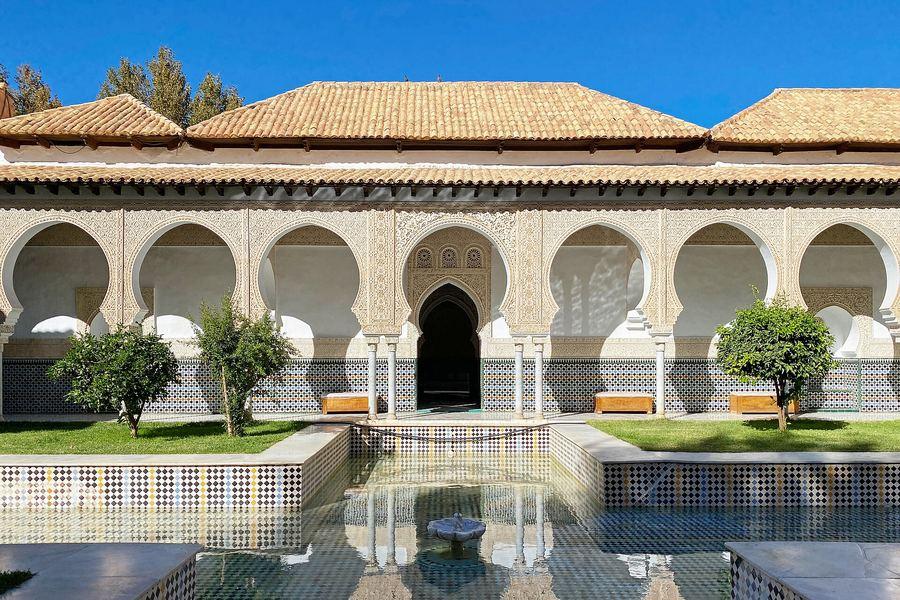
El Mechouar Palace, Tlemcen Day 1 · Nov 15

Tlemcen

Abou Bekr Belkaïd

November 15: Conference sessions in Tlemcen.

Pictured: El Mechouar Palace, Tlemcen
A Saharan ksar and dunes in southern Algeria Day 2 · Nov 16

Travel & Sightseeing

Optional Day

November 16: Intercity travel and an optional cultural visit to the Roman ruins of Cherchell.

Pictured: Ancient Roman Amphitheater Ruins in Cherchell, Algeria
Cap Carbon on the coast at Bejaia Nov 17-18

Béjaïa

Abderrahmane Mira

November 17-18: Parallel conference sessions in Bejaia, Setif and Algiers.

Pictured: Cap Carbon, Béjaïa
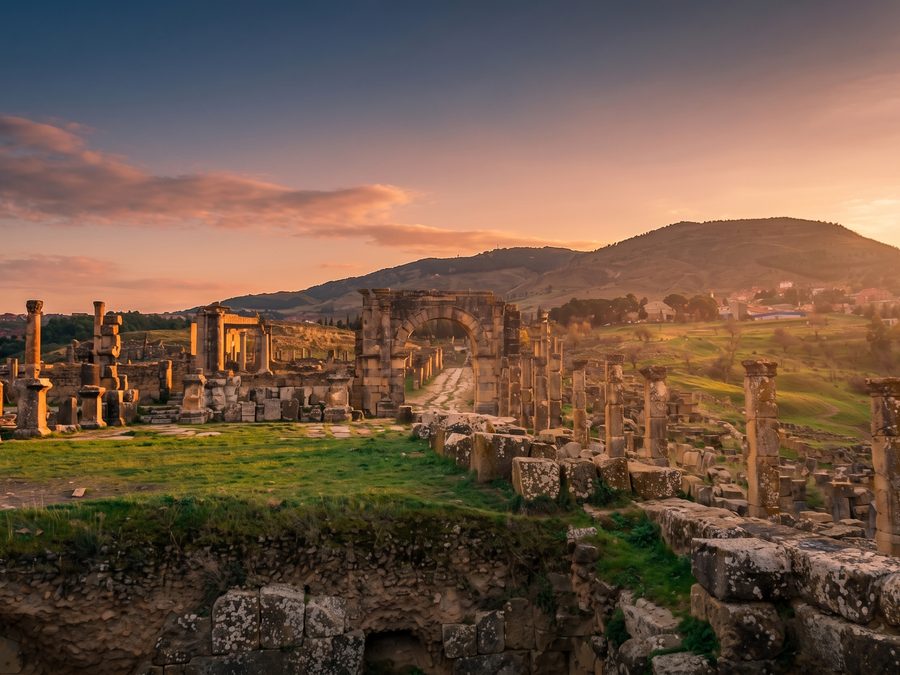
The Roman ruins of Djemila near Setif at sunset Nov 17-18

Sétif

Ferhat Abbas

November 17-18: Parallel conference sessions in Bejaia, Setif and Algiers.

Pictured: the Roman ruins of Djémila, near Sétif
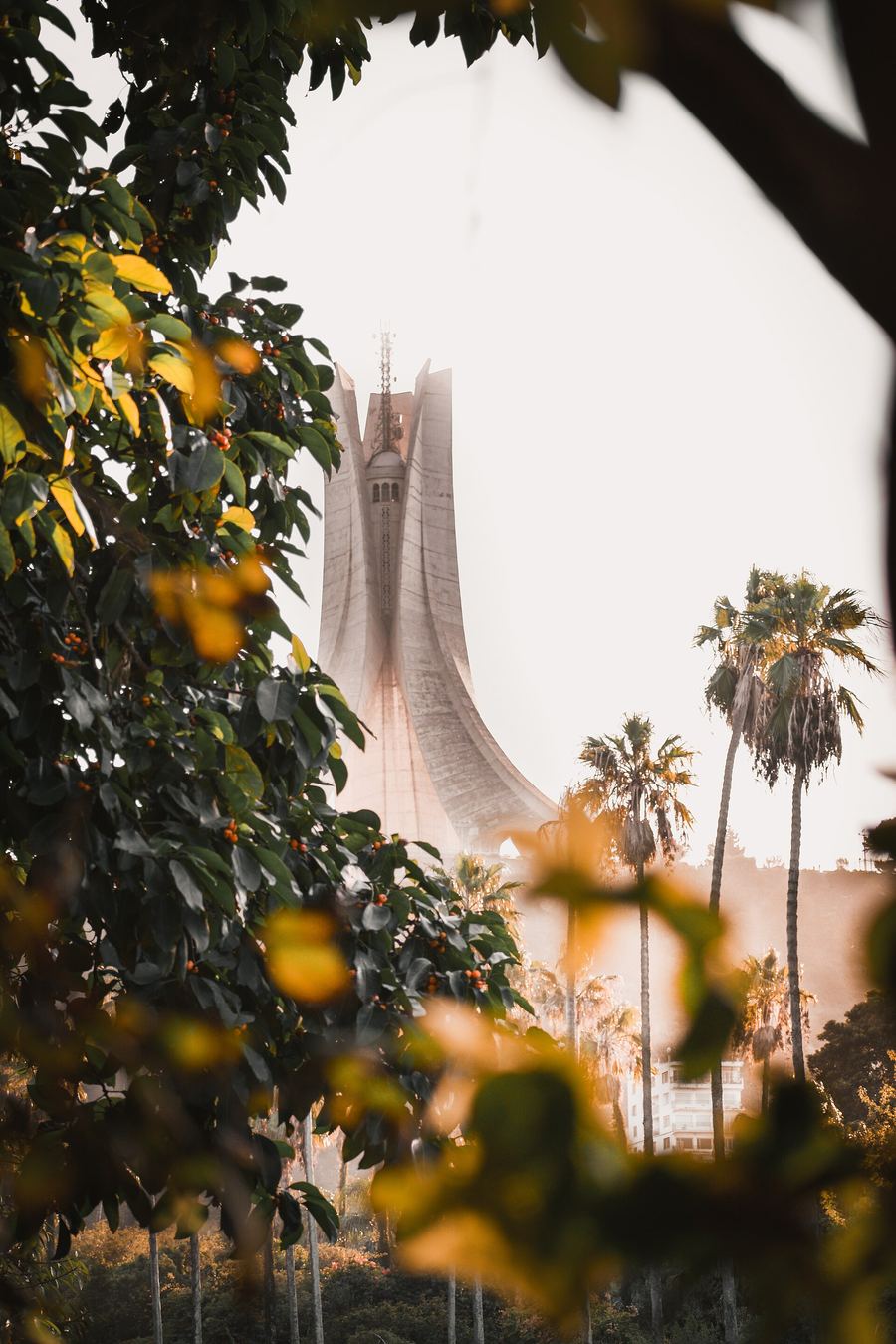
Maqam Echahid monument, Algiers Nov 17-18

Algiers

USTHB, Houari Boumediene

November 17-18: Parallel conference sessions in Bejaia, Setif and Algiers.

Pictured: the Maqam Echahid, Algiers

Submission Guidelines

We invite submissions for individual papers, panel proposals, or pilot project showcases.

September 1, 2026
Abstract Submission Deadline
September 10, 2026
Notification of Acceptance
October 31, 2026
Full Paper Submission
Optional, for proceedings
November 15-18, 2026
Conference Dates

Submission Guidelines

We invite submissions for individual papers, panel proposals, or pilot project showcases.
Abstract Length
300-500 words, word document and pdf formats are accepted.
Language
English.
Keywords
Please identify 3-5 keywords and indicate which of the three panels your work best aligns with.
Discipline
Clearly state your primary academic field (e.g., Business, Law, Medicine, Engineering, Architecture, Computer Science, etc.) to help us assemble multidisciplinary sessions.
How to Submit: Abstracts are submitted as part of conference registration, through the single registration form. You can also register without submitting an abstract.

Join the Threads of Change

This is a call to thinkers, doers, and bridge-builders. Whether you are a scientist modeling glacial melt in Central Asia, a lawyer designing climate migration policies, a business professor studying green supply chains, or a medical researcher tracking vector-borne diseases in new climates, your expertise is a vital thread in the tapestry of a resilient world. We look forward to welcoming you to Algeria in November 2026 to weave those threads together.

Registration

One form, whether or not you present

Registration and abstract submission are handled through a single form. When you register, you choose whether to submit an abstract.

Register and submit an abstract

Include your abstract with your registration: 300-500 words, word document and pdf formats are accepted, by September 1, 2026. Acceptance is notified by September 10, 2026.

Register without an abstract

Complete the same form and select that you are attending without presenting, to join the thematic panels, academic forums and practitioner-led workshops.

Register for the Conference
Questions? Contact SunConference2026@cud.ac.ae

Conference Scientific Committee

Professor Qian Long Kweh
President of IASS 2026
School of Management, Canadian University Dubai, UAE
Professor Faiz Shah
Executive Director, Yunus Center AIT
Asian Institute of Technology, Thailand
Professor Nawaz M. Mian
Senior Lecturer, Department of Geography
National University of Singapore
Professor German Kim
Faculty of Oriental Studies
Al-Farabi Kazakh National University, Kazakhstan
Dr Seif Khiati
Associate Professor, Centre for Sustainability and Innovation
Canadian University Dubai, UAE
Dr Chureerat Haq
Assistant Professor and Manager, Centre for Sustainability and Innovation
Canadian University Dubai, UAE
Professor Youcef Ouazir
Vice-Rector for Postgraduate Studies
University of Science and Technology Houari Boumediene (USTHB), Algiers, Algeria
Professor Bachir Redouane
Vice-Rector
Abou Bekr Belkaïd University of Tlemcen
Professor Bilal Yahiaoui
Assistant Professor and Manager, Centre for Sustainability and Innovation
Ferhat Abbas University Sétif 1
Dr Sofiane Aoudia
Senior Lecturer, Department of Physics, and Dean, Faculty of Exact Sciences
Abderrahmane Mira University of Béjaïa
Organizers
Canadian University Dubai (CUD), the Silk-Road Universities Network (SUN), and the International Association for Silk-Road Studies (IASS), in collaboration with the following Algerian host institutions.
Canadian University Dubai
Convening Host
Silk-Road Universities Network International Association for Silk-Road Studies
In Association With
Host Universities in Algeria
University of Tlemcen
Abou Bekr Belkaïd University
Tlemcen
University of Bejaia
Abderrahmane Mira University
Béjaïa
Ferhat Abbas University Setif 1
Ferhat Abbas University
Sétif
USTHB
USTHB, Houari Boumediene
Algiers