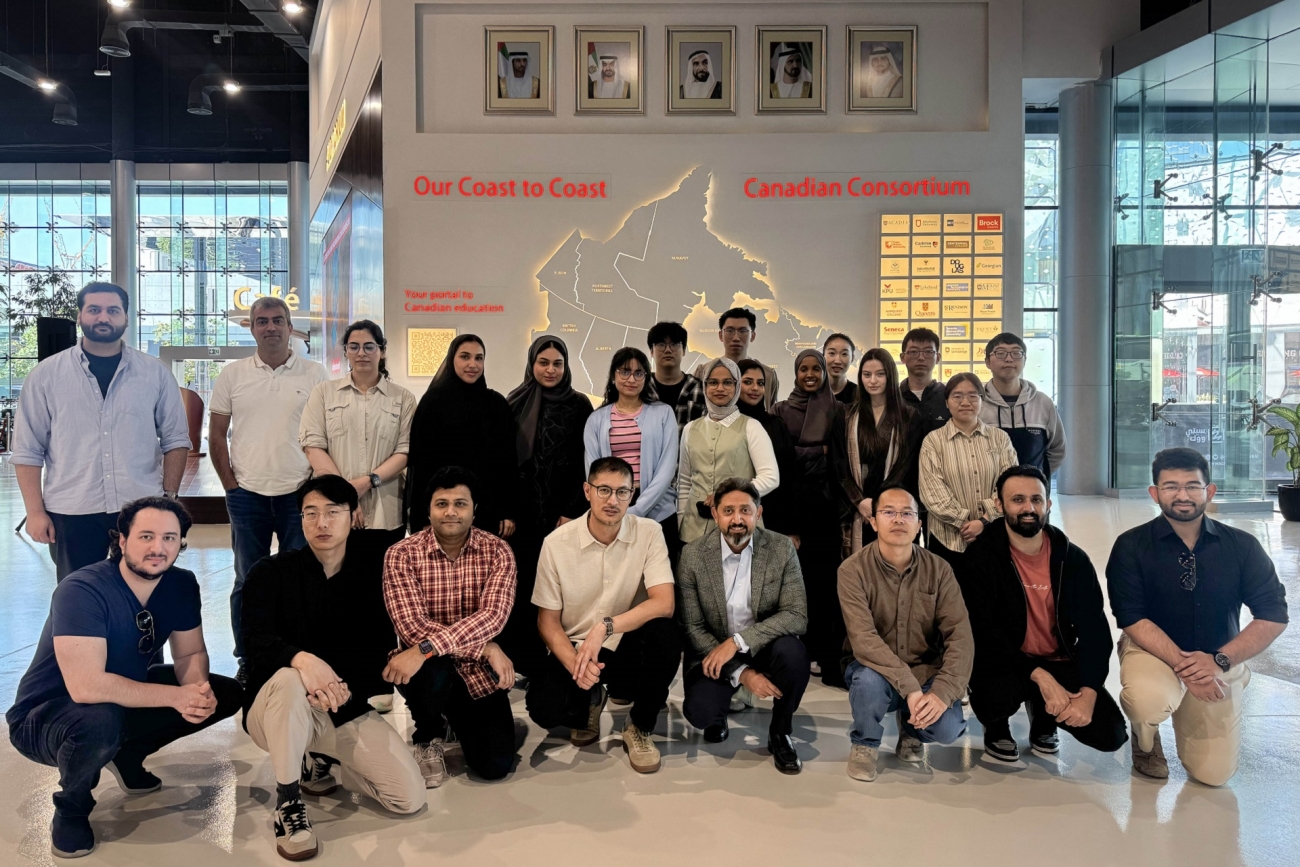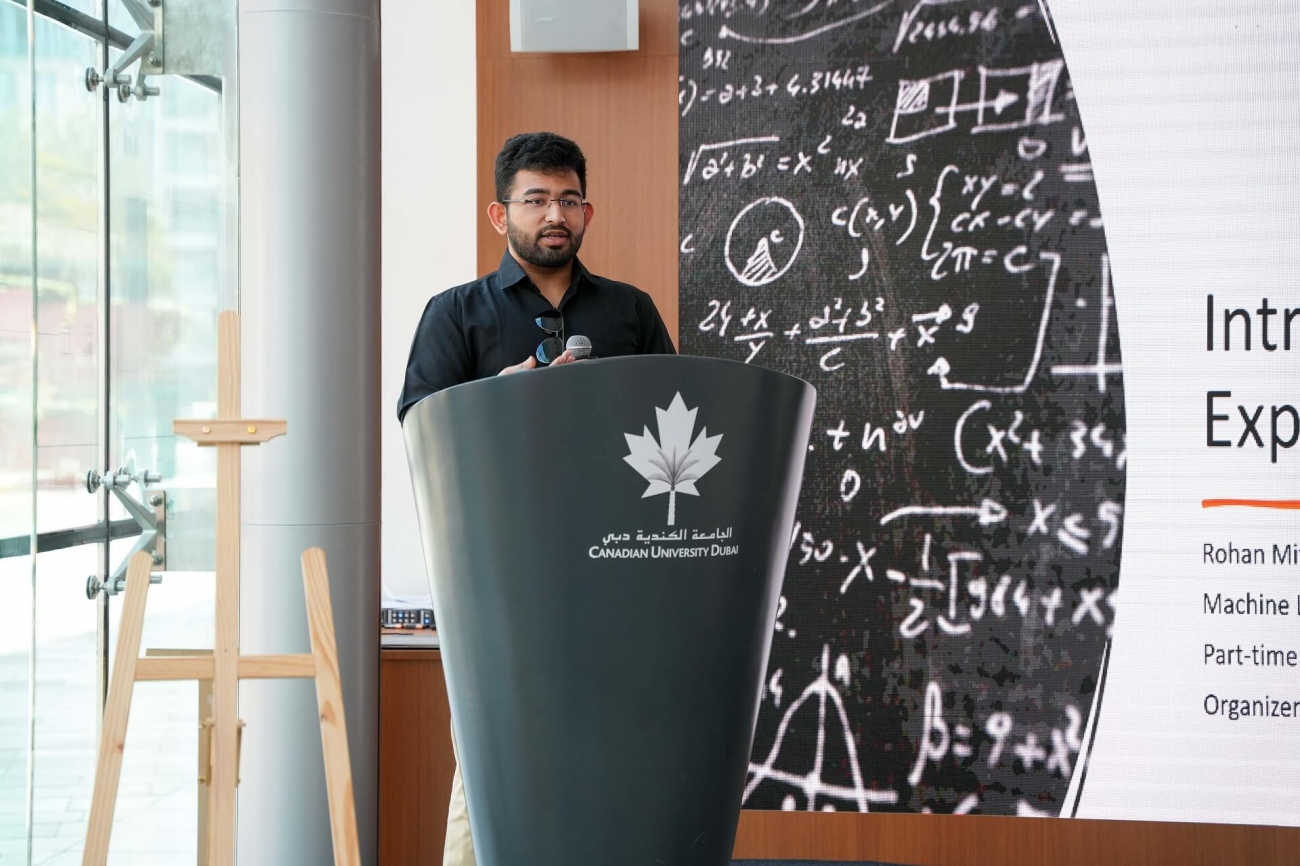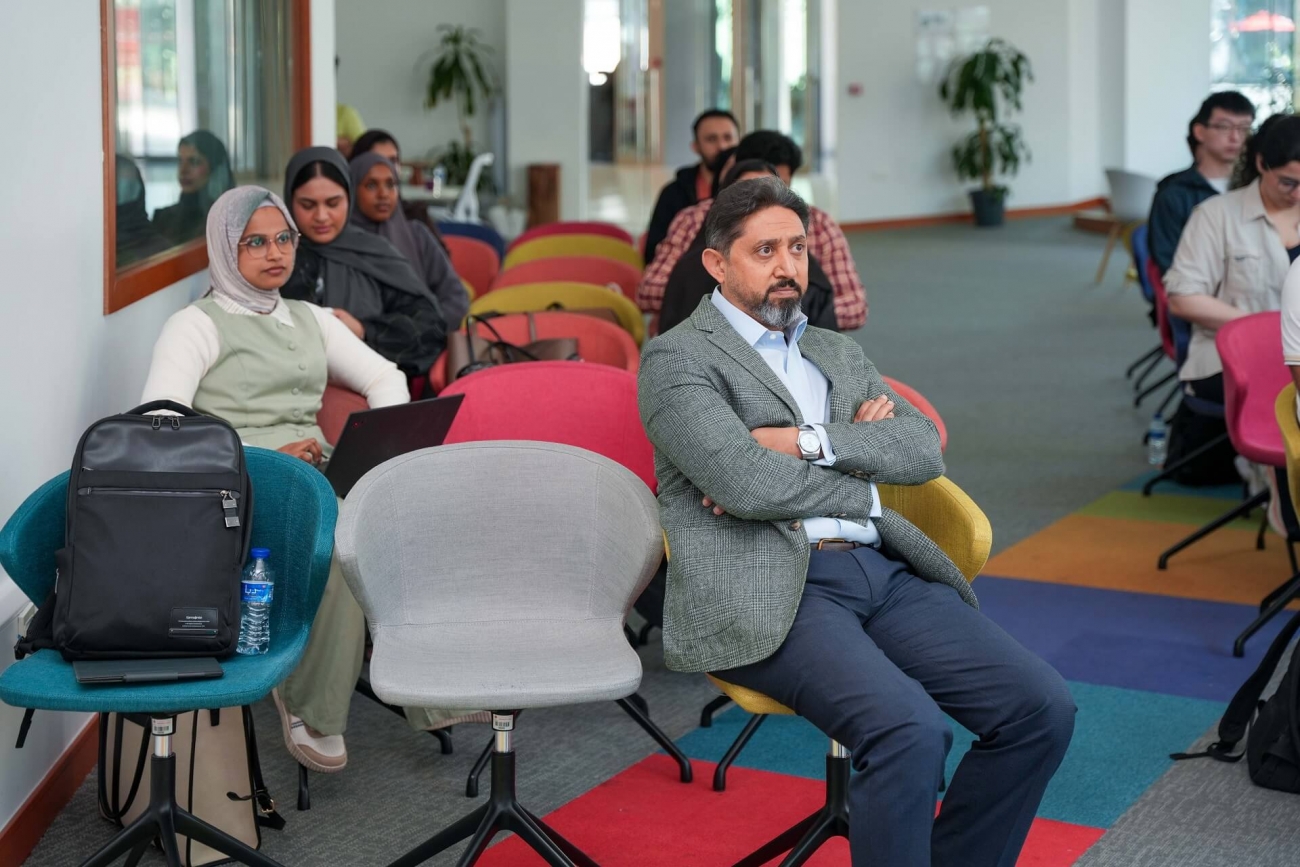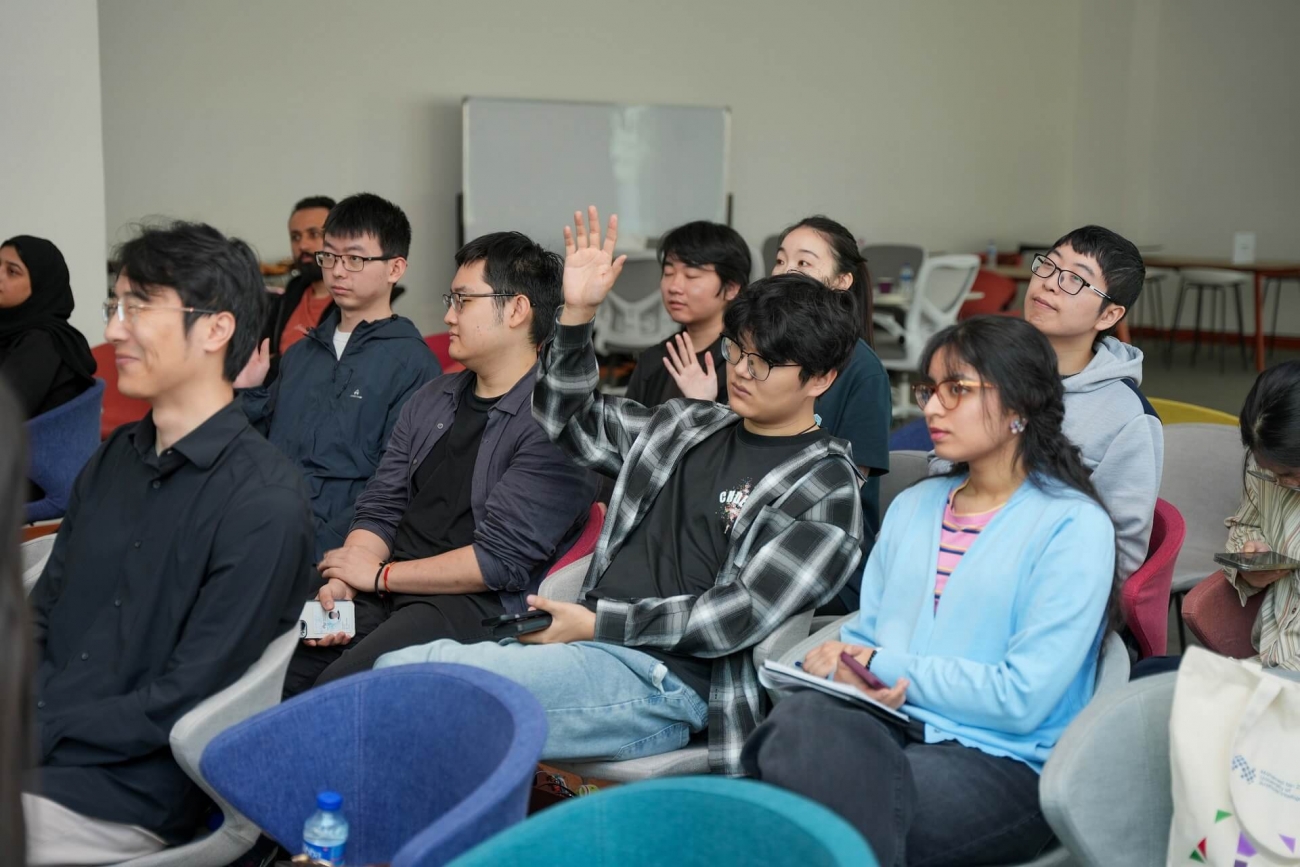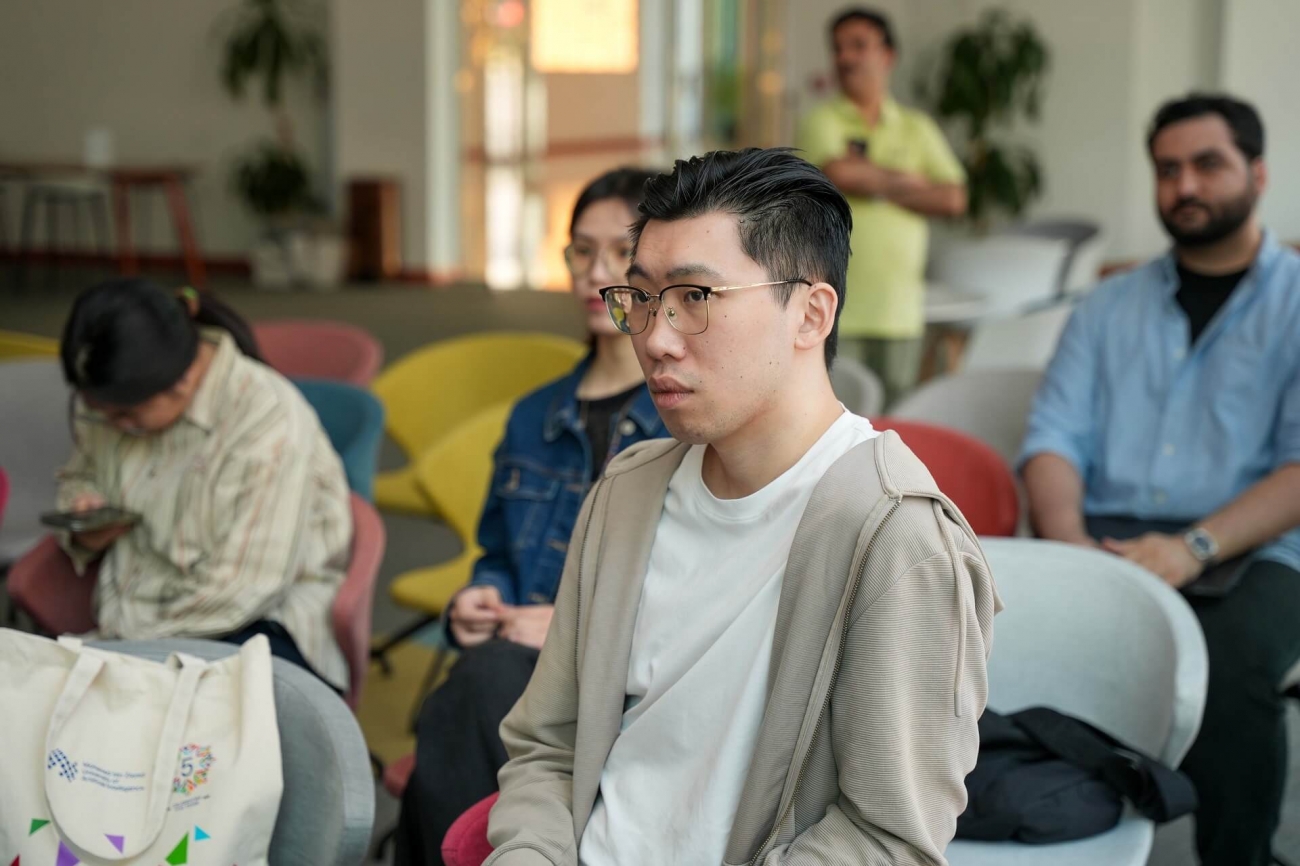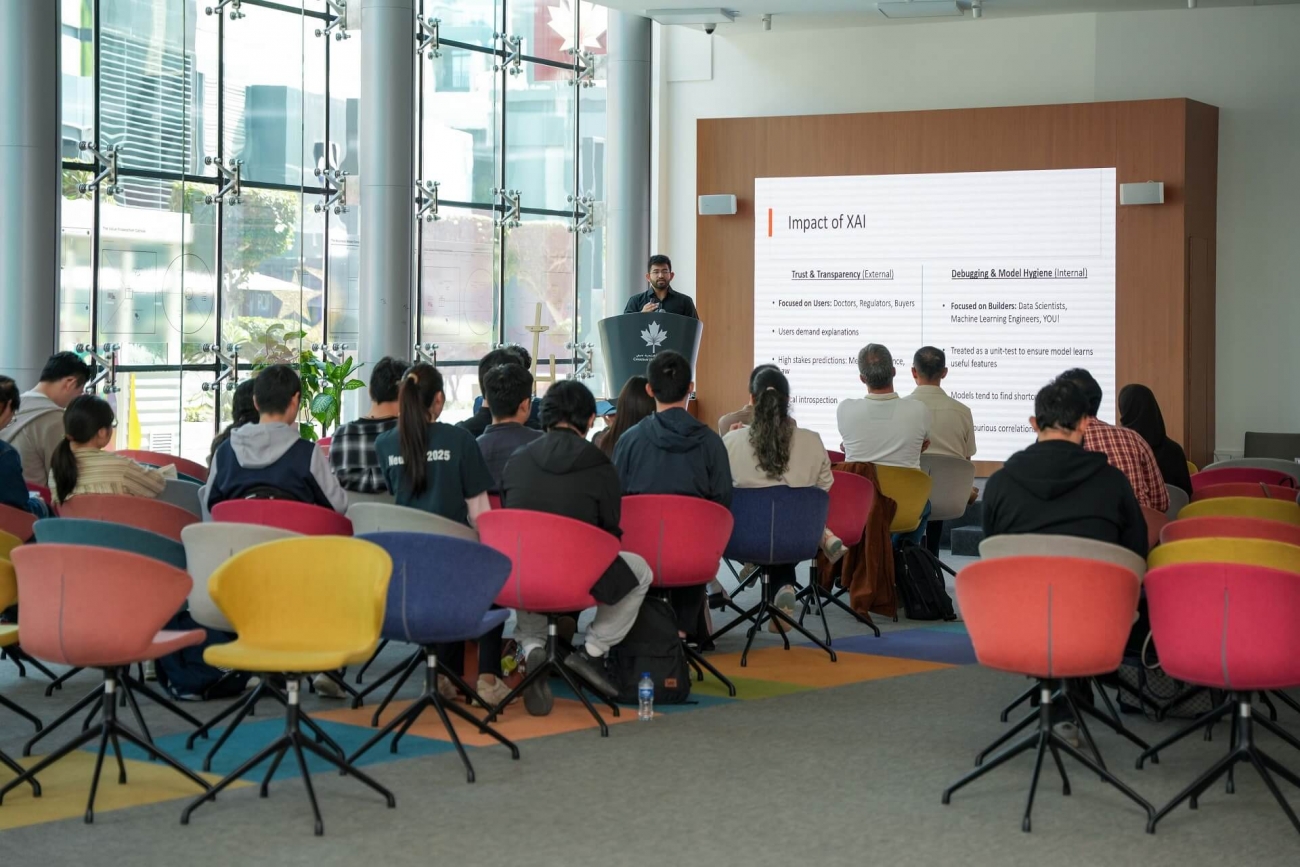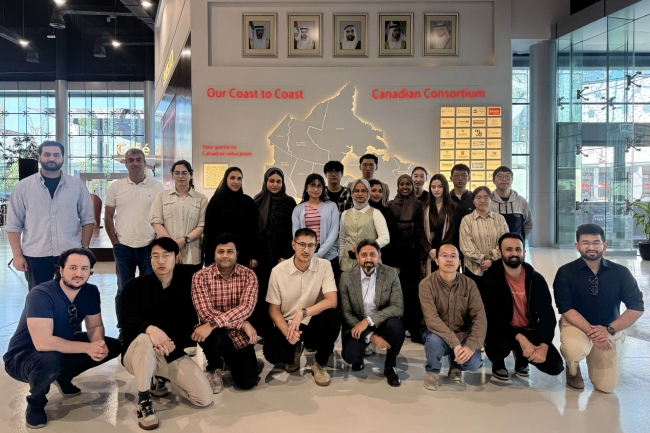
February 18, 2026, Dubai, United Arab Emirates (UAE): The School of Engineering, Applied Science and Technology (SEAST) at Canadian University Dubai successfully hosted the workshop AI in Medical Imaging and Diagnostic Applications on Saturday, February 14, 2026, at the CUD Incubator. The event attracted a diverse set of participants, including representatives from Mohamed bin Zayed University of Artificial Intelligence and Master of Science in Artificial Intelligence students from Canadian University Dubai. The workshop provided a structured research forum that facilitated technical exchange and interdisciplinary dialogue, creating a common platform for discussing methodological advances in AI-driven medical diagnostics.
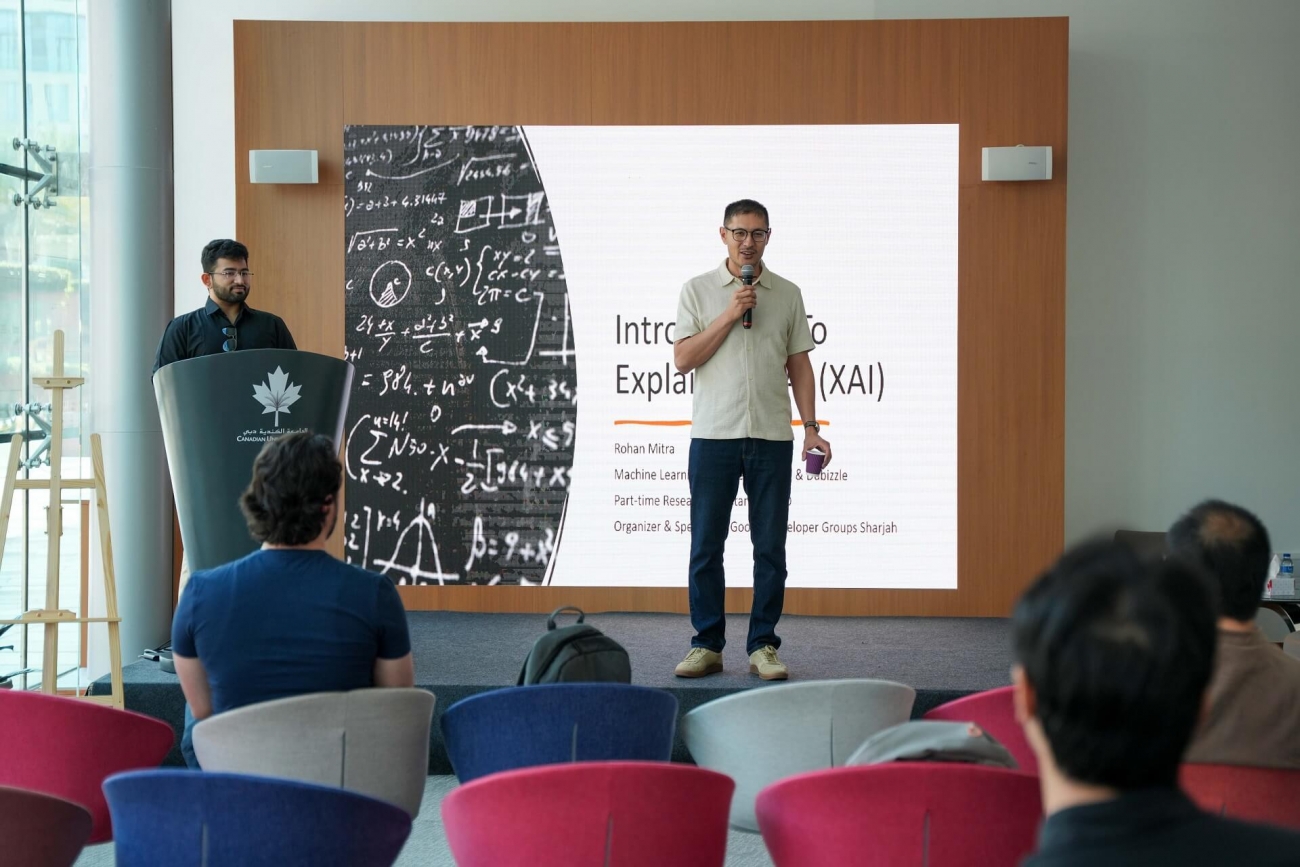
The technical program featured presentations that addressed core challenges in generative modeling, explainable AI, and medical image segmentation. Mr. Zhenbang Zhang presented a motion-residual conflict-aware time reversal framework for generative inbetweening. His approach emphasized temporal consistency and robustness in sequential imaging data. Mr. Rohan Mitra delivered a practical session on explainable AI, examining attribution techniques, interpretability constraints, and the operational implications of deploying AI systems in high-stakes diagnostic environments. Dr. Hanan Hussein presented advances in interactive deep segmentation for 3D medical volumes. She highlighted hybrid convolutional and attention architectures and user-in-the-loop refinement mechanisms for precise anatomical delineation. The presentations prompted substantive discussion on the clinical integration of medical AI.
The research showcased during the workshop stems from projects conducted under competitive funding awarded to Canadian University Dubai by the Dubai Future Foundation, which granted the university two research awards supporting innovation in AI applications. The workshop therefore served not only as a dissemination platform but also as a milestone in ongoing funded research initiatives. By bringing together academic researchers, industry practitioners, and graduate students, the event strengthened collaborative ties and advanced a shared research agenda at the intersection of artificial intelligence and medical imaging.
Gallery