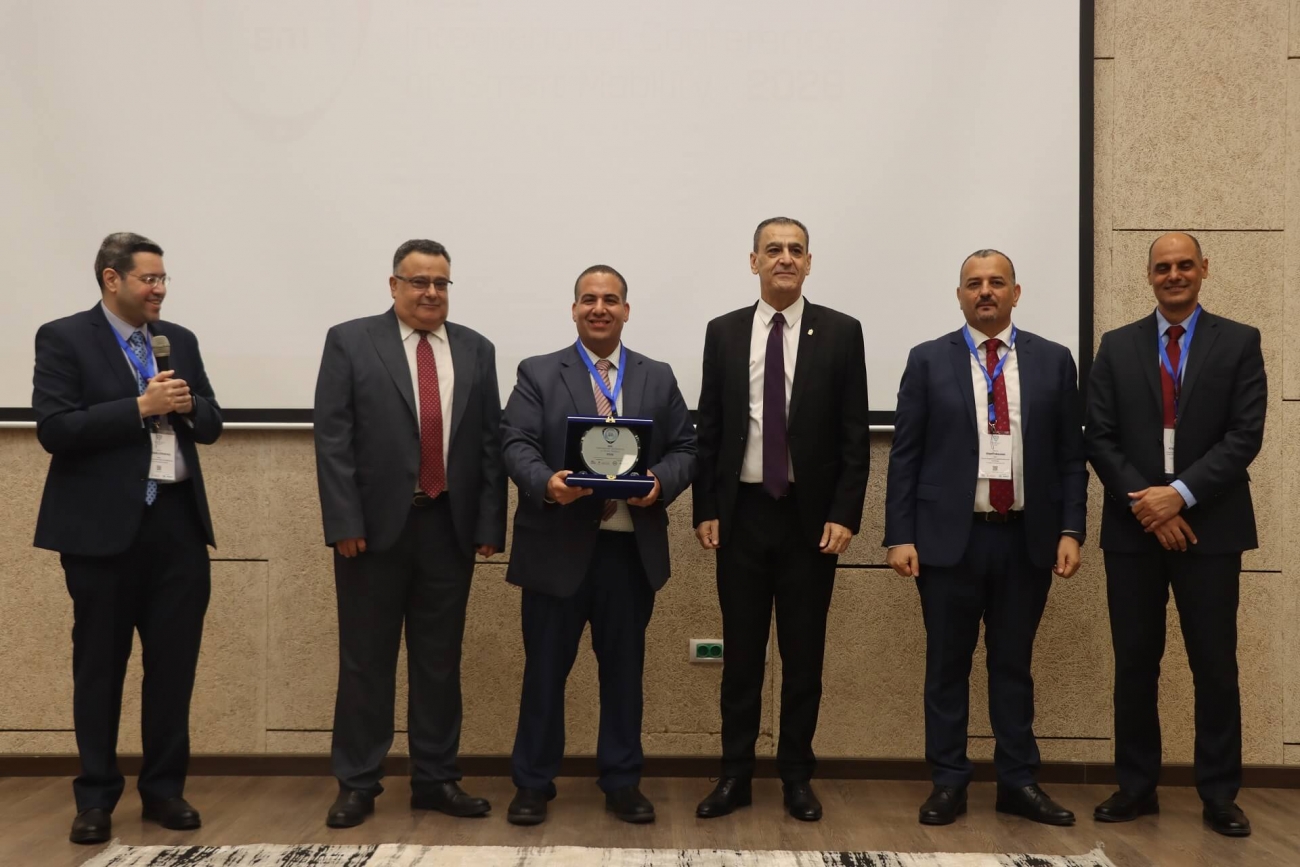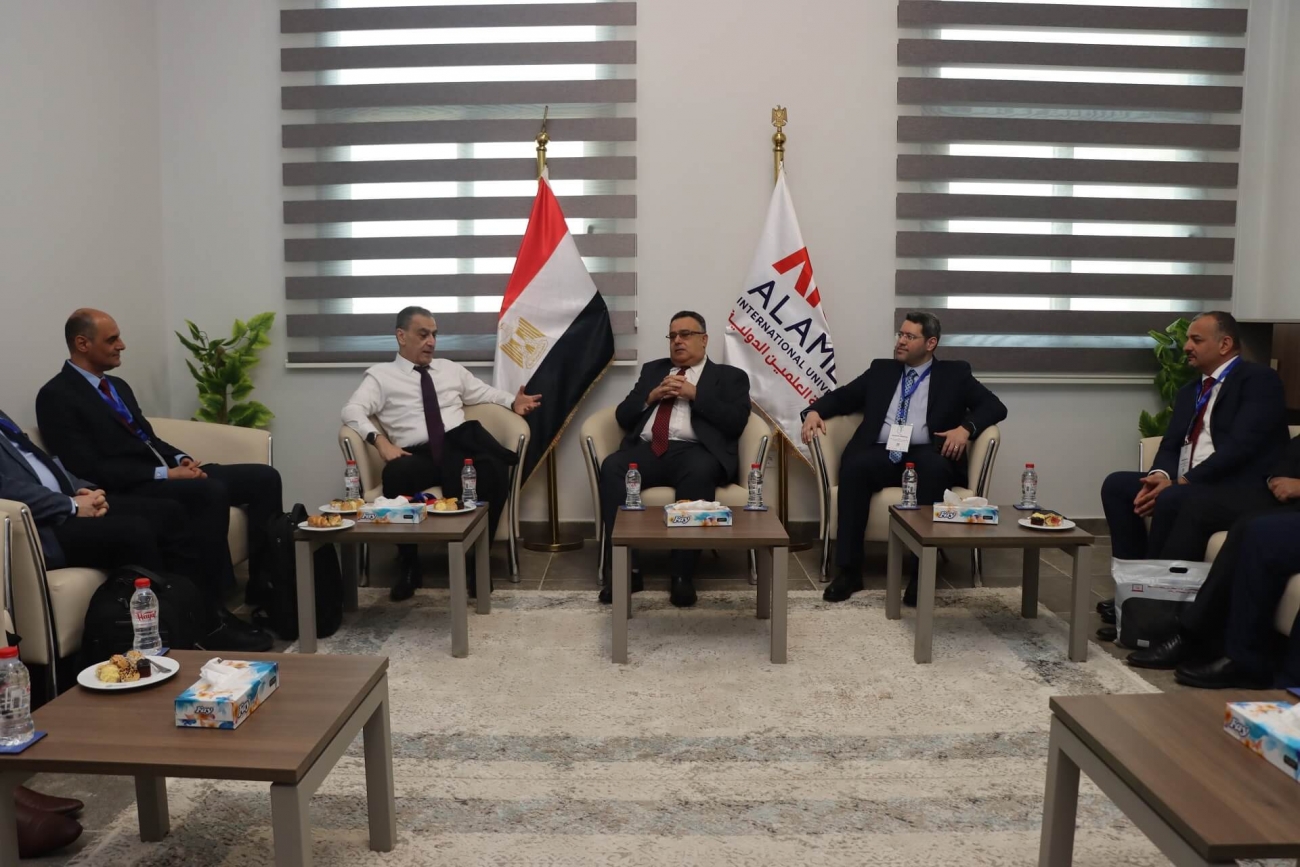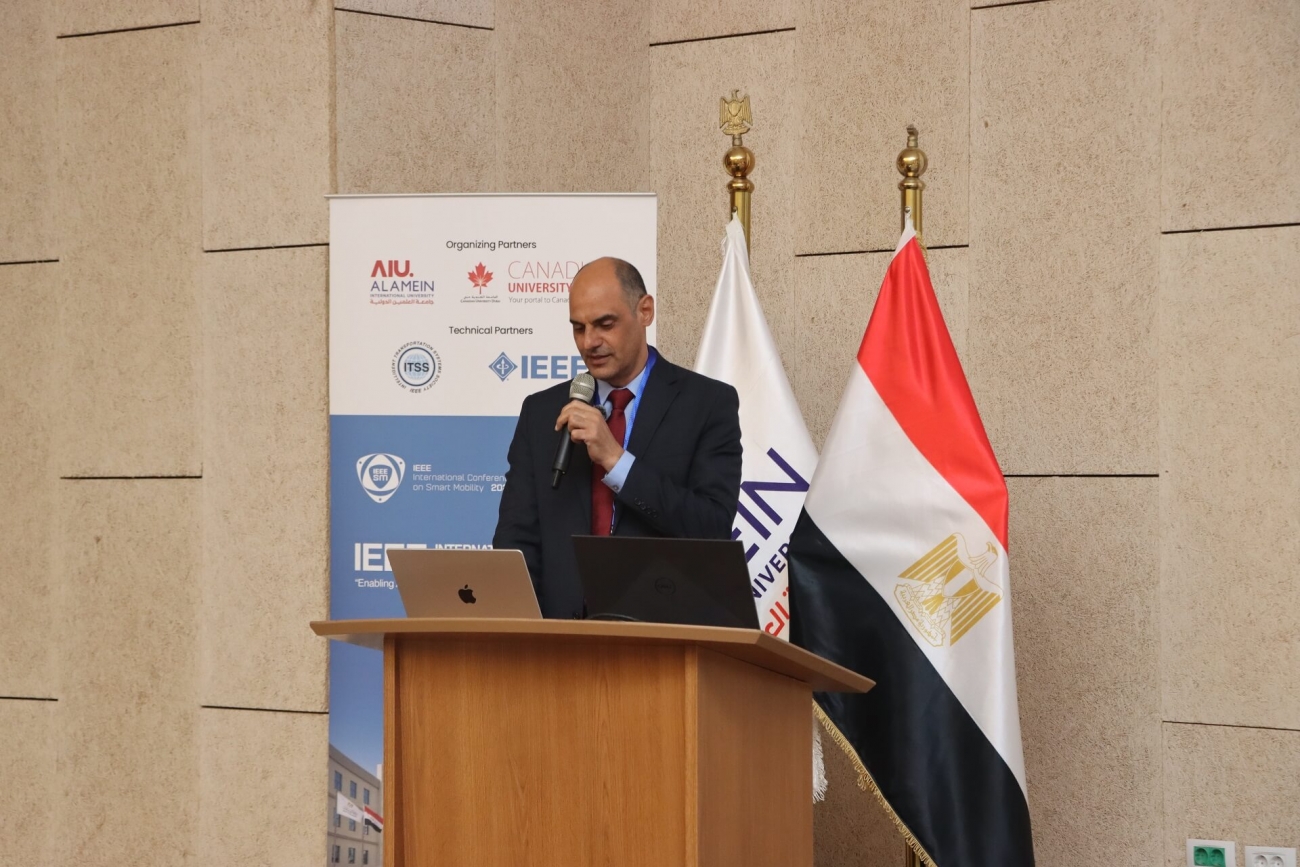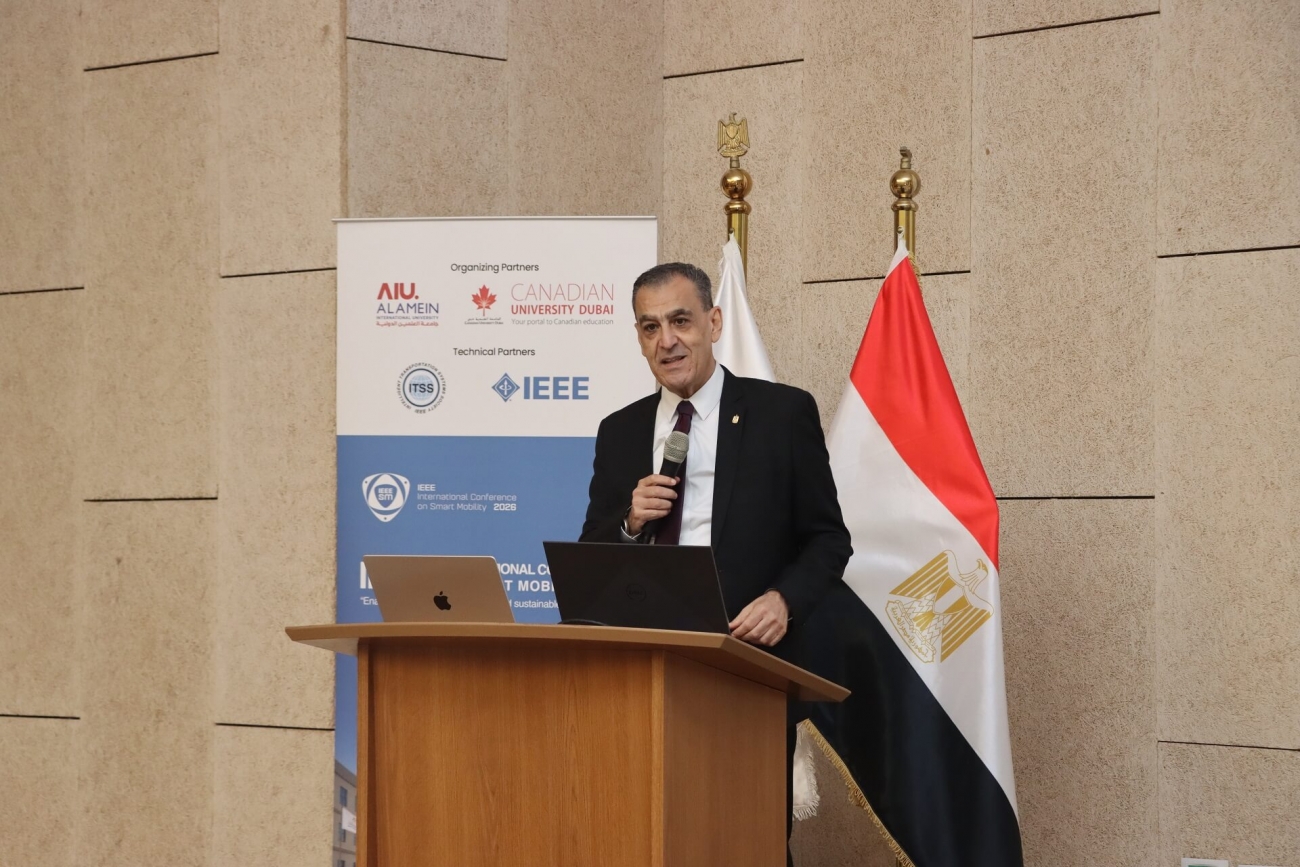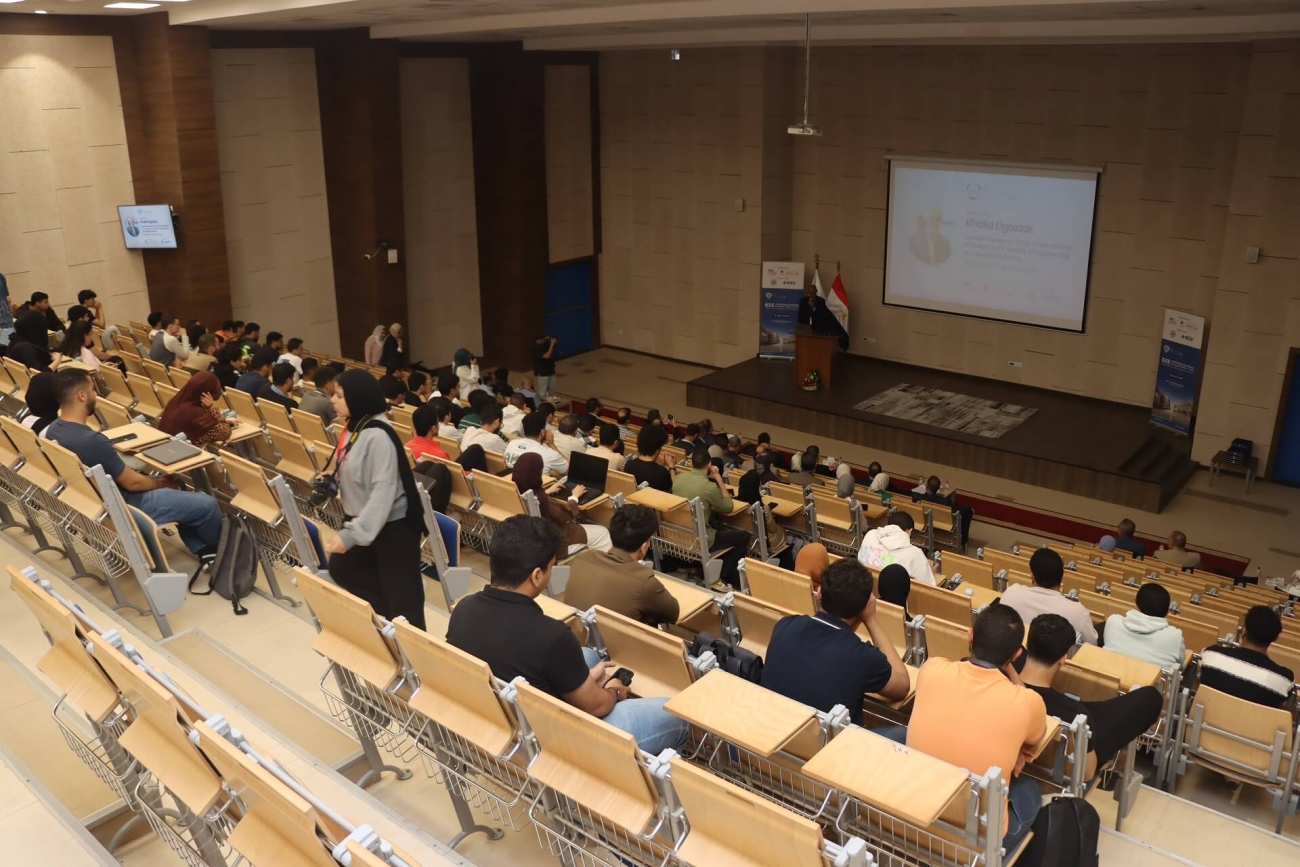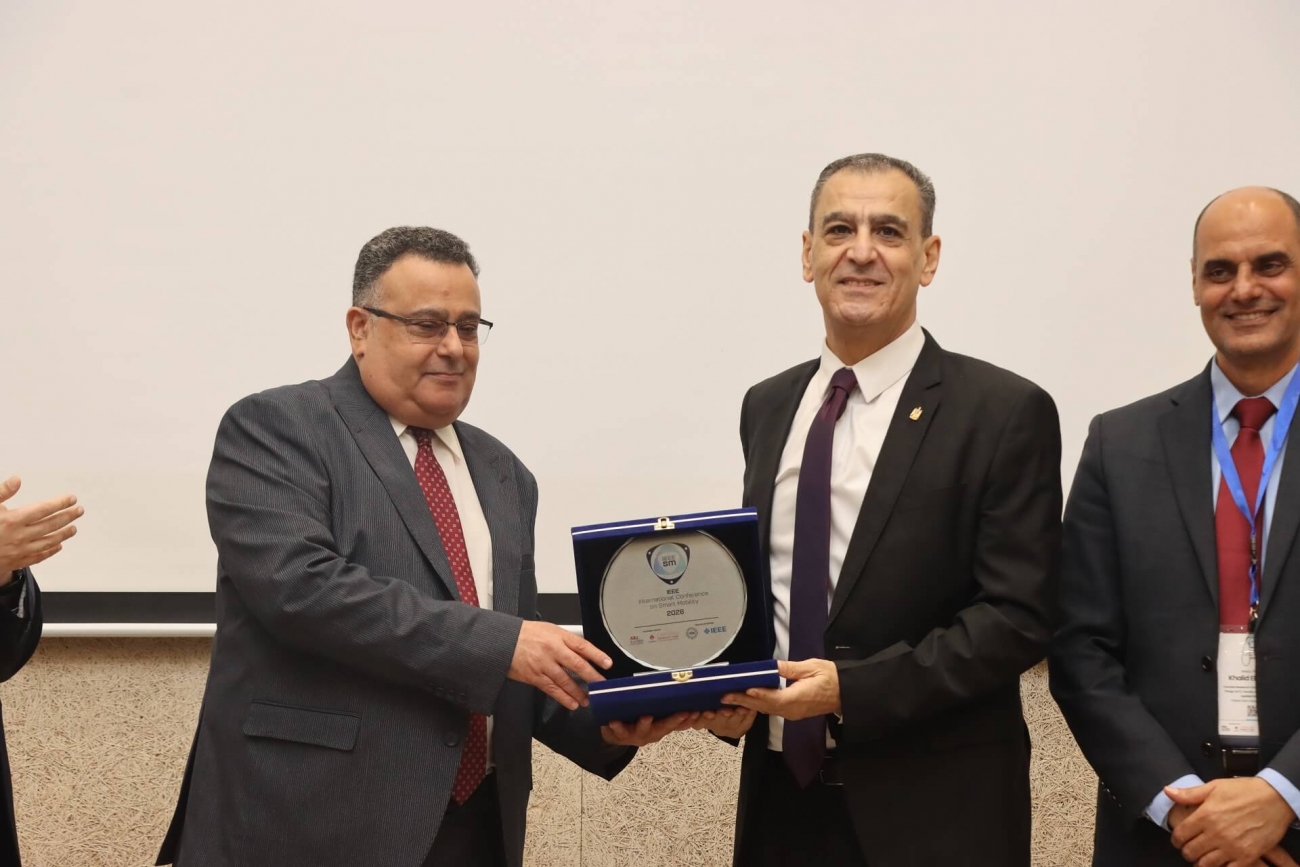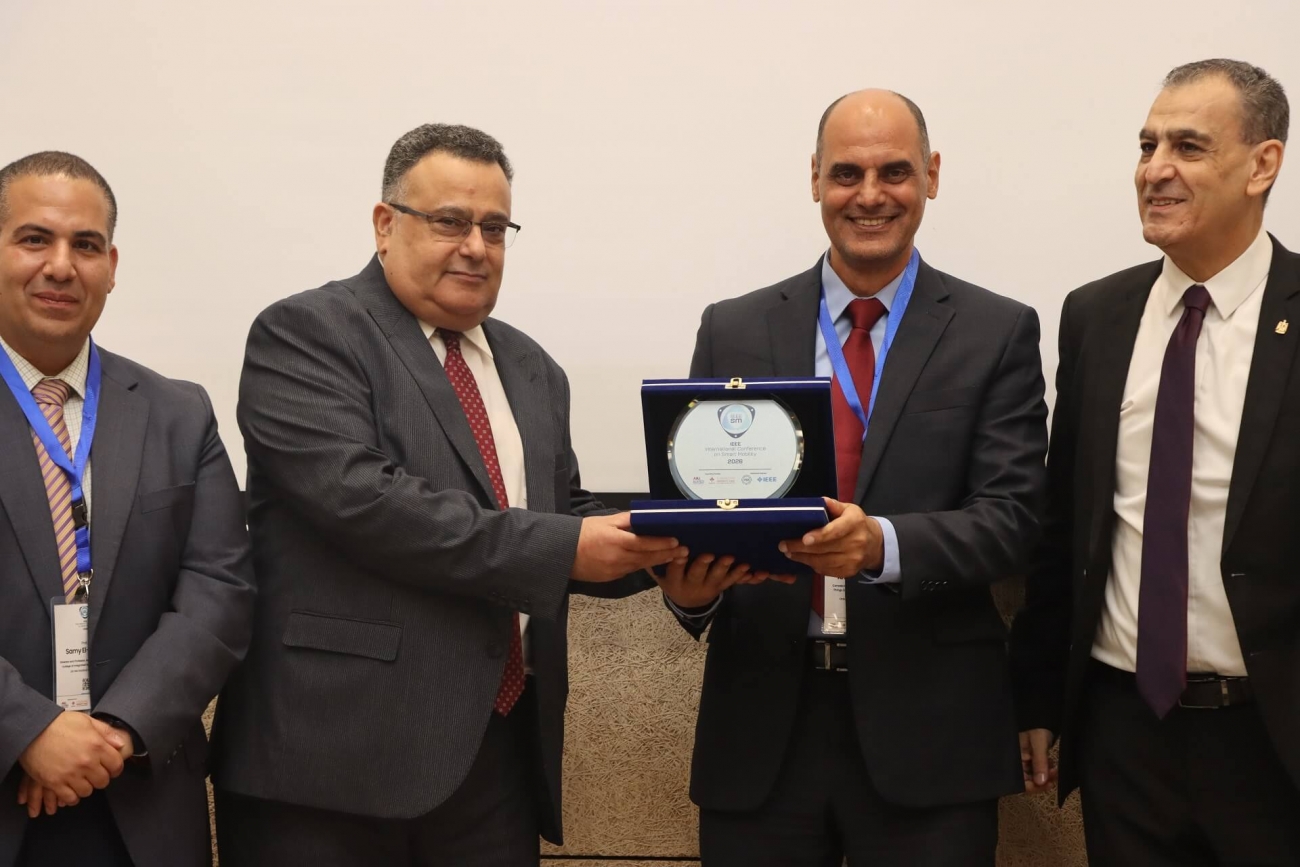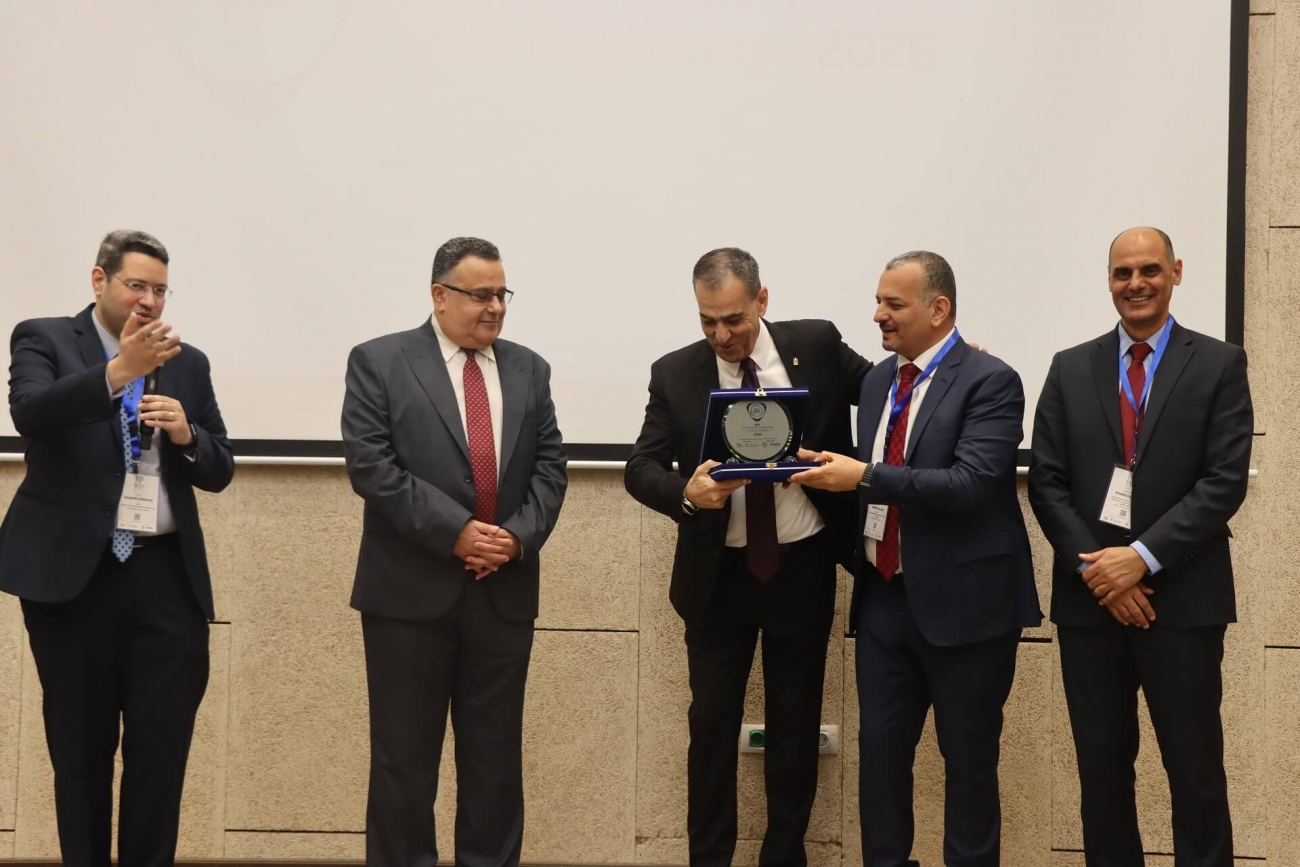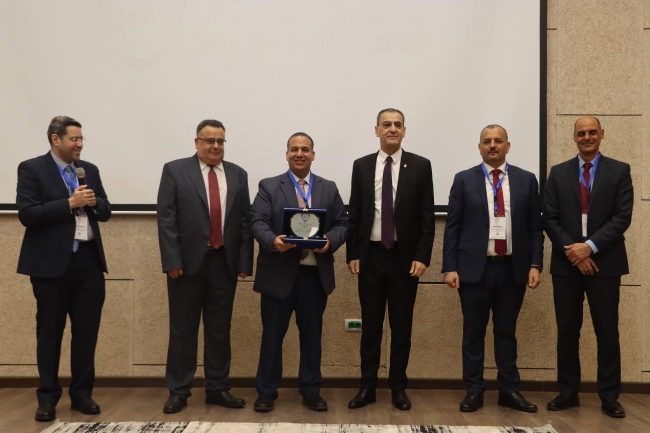
From Dubai to Egypt, the conference reinforced regional collaboration in smart mobility, engineering innovation, and future-focused research, while also marking the culmination of a strategic Memorandum of Understanding between Canadian University Dubai and Alamein International University
May 15, 2026, Dubai, United Arab Emirates (UAE): Canadian University Dubai (CUD) further reinforced its position as a future-focused institution driving engineering innovation, regional collaboration, and global academic engagement through its strategic role as an Organizing Partner of IEEE Smart Mobility 2026, hosted in collaboration with Alamein International University (AIU) from May 11–13, 2026, in Alamein City.
Organized in collaboration with IEEE and technically sponsored by the IEEE Intelligent Transportation Systems Society, the conference brought together leading researchers, innovators, policymakers, industry experts, and academic institutions from across the region and internationally to explore the future of intelligent transportation systems, artificial intelligence, sustainable mobility, and future-ready infrastructure.
The conference also marked the culmination of a strategic Memorandum of Understanding signed between CUD and AIU reflecting a shared commitment to advancing long-term academic collaboration, interdisciplinary research, innovation exchange, and future-focused education between the UAE and Egypt.
The agreement established a framework for future cooperation across faculty and student exchange, collaborative academic and research initiatives, joint educational and training activities, academic knowledge exchange, and the exploration of future dual and joint degree opportunities. The partnership also opened pathways for collaborative supervision of postgraduate research and expanded opportunities for innovation-driven engagement between both institutions across engineering, applied sciences, sustainability, and emerging technologies.
The collaboration represented a significant step in strengthening regional academic and research connectivity across the Middle East and North Africa, while reinforcing the role of universities as strategic drivers of innovation, knowledge exchange, and future economic development. Through this partnership, CUD continued to expand its regional and international footprint while reinforcing Dubai’s growing role as a global hub for technology, engineering innovation, and future-focused higher education.
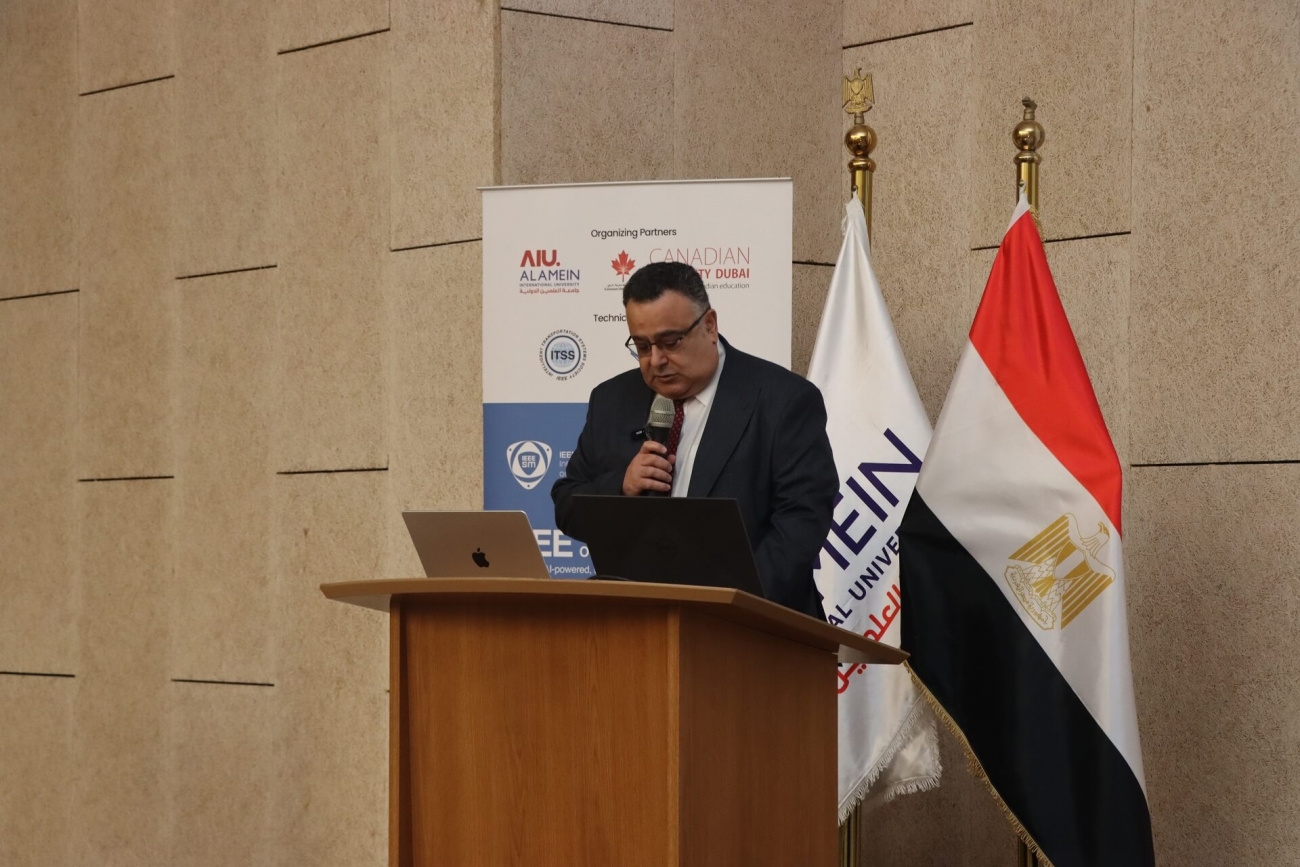
Further underscoring the university’s leadership within the sector, Professor Karim Chelli , President and Vice-Chancellor of CUD, served as the Honorary Chair of IEEE Smart Mobility 2026 and officially delivered the Opening Leadership Address of the conference alongside Dr. Essam Ahmed ElKordi, President of AIU.
In his opening remarks, Professor Chelli emphasized the importance of ensuring that smart mobility innovation remains human-centered, inclusive, and sustainable, highlighting the responsibility of academic institutions, researchers, and innovators to design technologies that positively impact communities and future generations. He also stressed the growing importance of artificial intelligence, ethical innovation, accessibility, and sustainability within the evolving global mobility ecosystem.
The conference also underscored the growing regional and international impact of the School of Engineering, Applied Science & Technology at Canadian University Dubai, with Professor Sherif Moussa, Dean of the aforementioned school, serving as Executive Chair of IEEE Smart Mobility 2026.
IEEE Smart Mobility 2026 featured a distinguished scientific and technical program comprising peer-reviewed research presentations, multidisciplinary panel discussions, technical sessions, innovation showcases, workshops, and collaborative forums addressing the future of mobility, connected infrastructure, autonomous systems, and artificial intelligence applications within urban environments.
Faculty members and students from CUD also participated in the conference through research paper presentations and technical contributions, further showcasing the university’s growing role in advancing engineering research, innovation, and next-generation mobility solutions both regionally and internationally.
From Dubai to Egypt, the collaboration reflected a shared regional vision for advancing engineering innovation, academic excellence, and future mobility ecosystems through strategic partnerships that connect research, industry, and education across the region and beyond.
Gallery