Engineer Tomorrow
At the School of Engineering, Applied Science and Technology (SEAST), our research advances the core methodologies and technologies that underpin modern engineered systems. We focus on high-impact areas where theoretical innovation, computational modeling, and real-world deployment intersect.
SEAST researchers work across cybersecurity, artificial intelligence, biomedical engineering, sustainable energy systems, robotics, and intelligent transportation. Their work develops secure network architectures, intelligent control algorithms, AI-driven forecasting models, biomedical signal-processing frameworks, and energy-efficient engineering solutions.
Current research programs include:
- AI-based predictive analytics for power systems, medicine, and environmental modeling
- Cryptographic and anomaly-detection techniques for securing critical infrastructure
- Computational tools for biomedical imaging and diagnostics
- Control and optimization algorithms for smart grids and renewable integration
- Robotics, sensing, and autonomous systems for industrial applications
Faculty publish in top-tier engineering and computing venues, lead competitive, funded projects, and collaborate with industry and government to develop deployable technologies. Students engage directly through research labs, funded initiatives, and international workshops hosted by the school, gaining experience with cutting-edge methods and platforms.
Through rigorous engineering research and innovation, SEAST contributes to the development of secure, intelligent, and sustainable technologies that support national and global priorities.
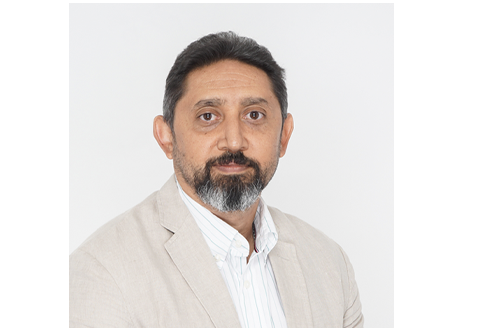
Prof. Firuz Kamalov
Chair, SEAST Research
Research Highlights
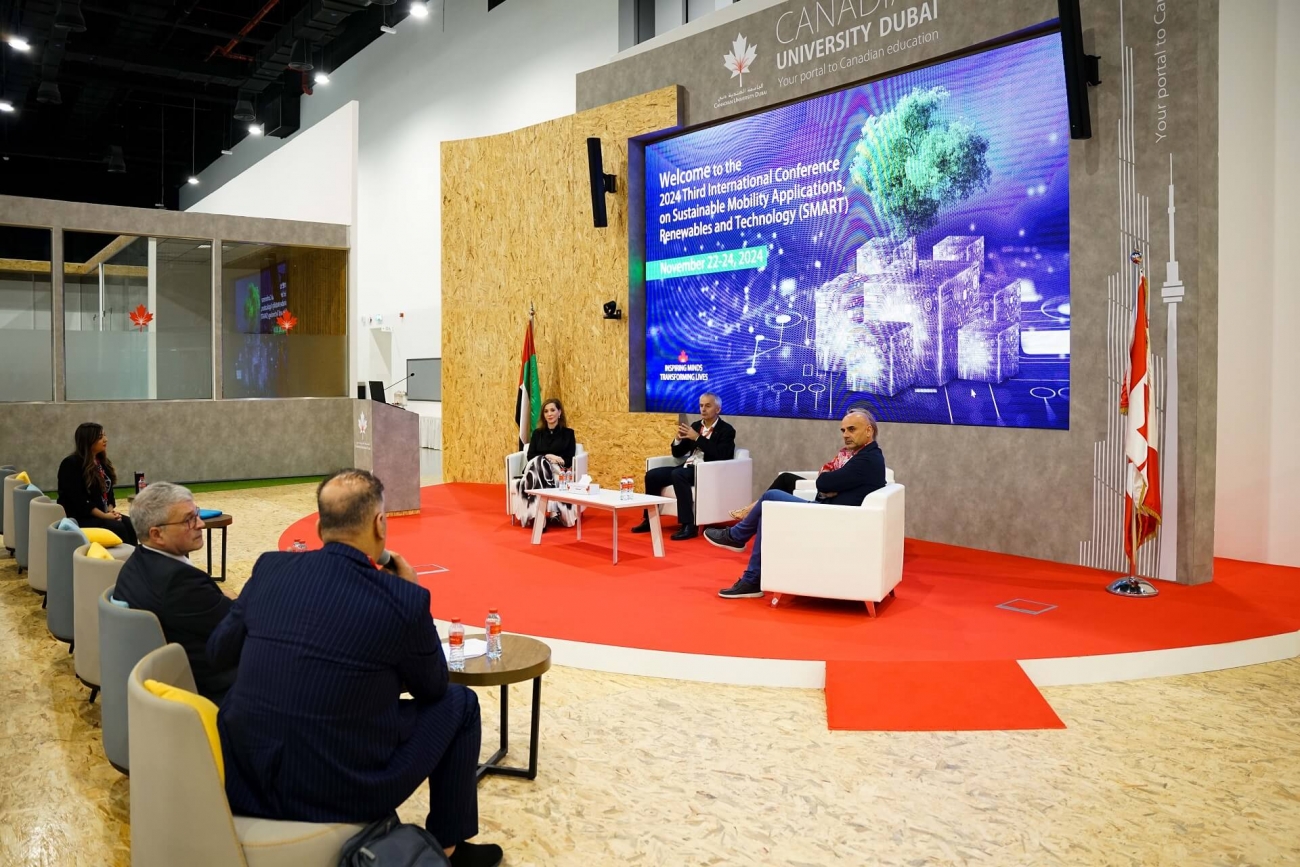
CUD to host the 2026 International Conference on Smart Mobility (SM’26)
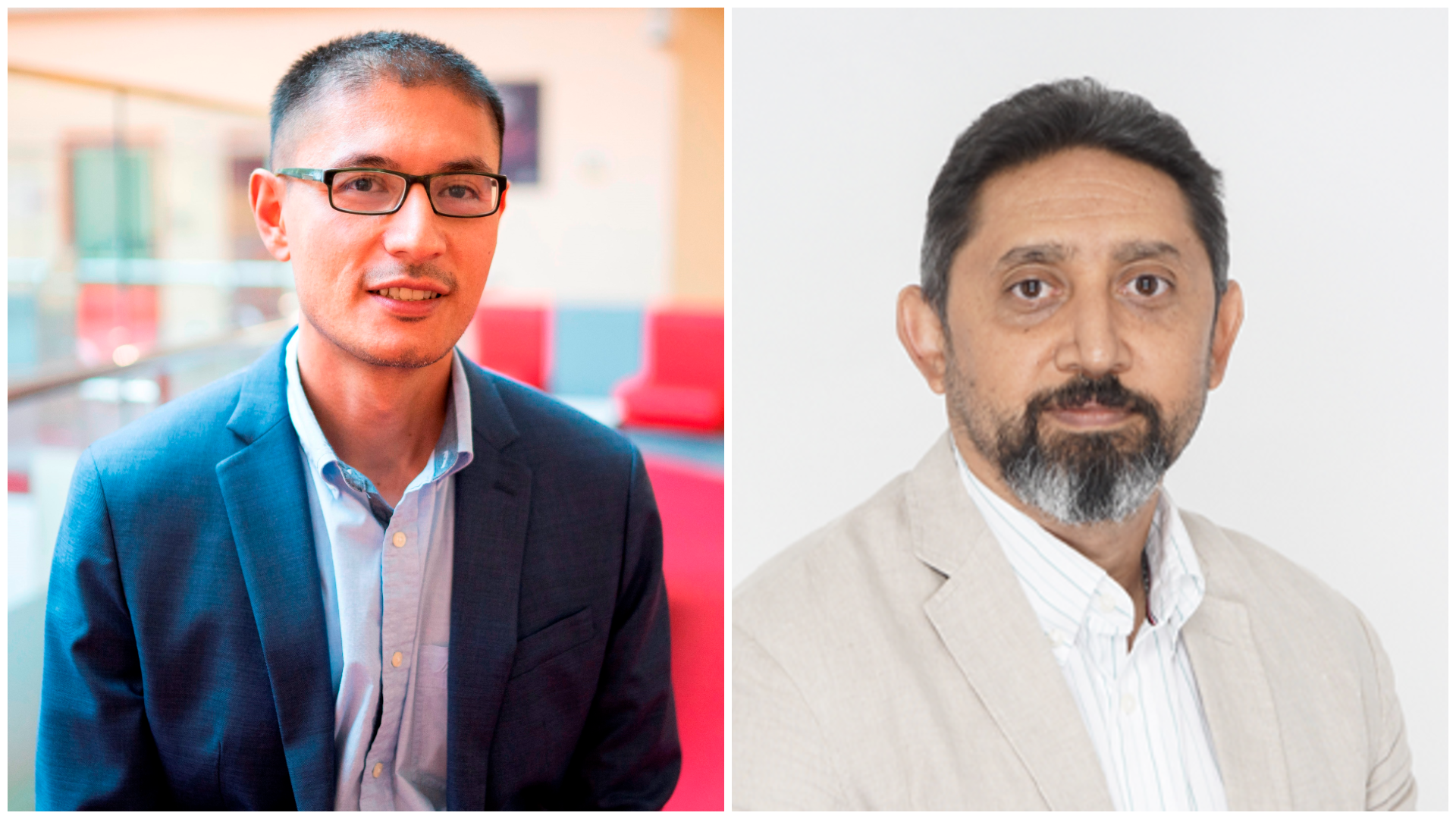
CUD to lead three DFF Funded Projects to Advance Healthcare Innovation
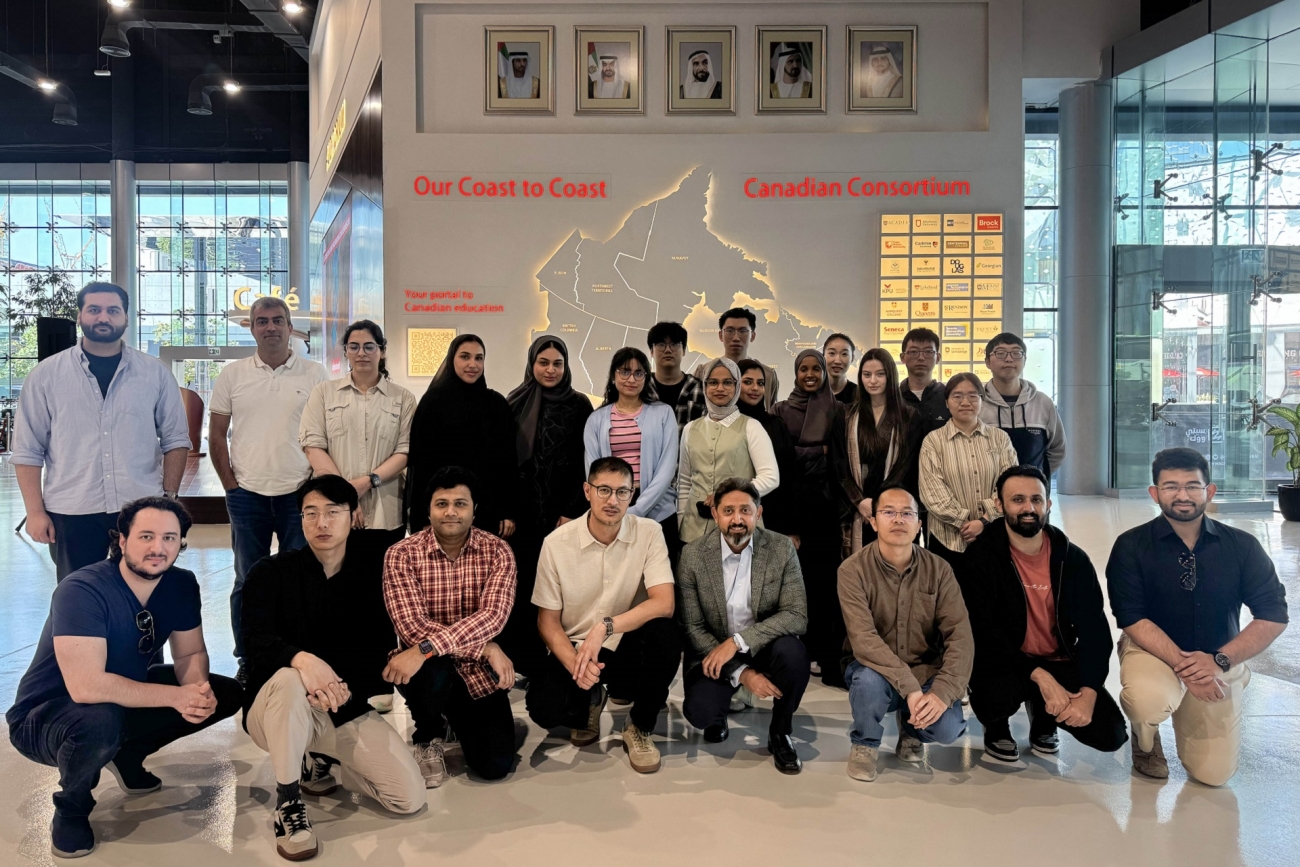
SEAST Hosts AI in Medical Imaging and Diagnostic Applications Workshop